
Introduction
A gradual digital transition is beginning to take shape within the Foreign Manufacturers Certification Scheme (FMCS) under the Bureau of Indian Standards (BIS).
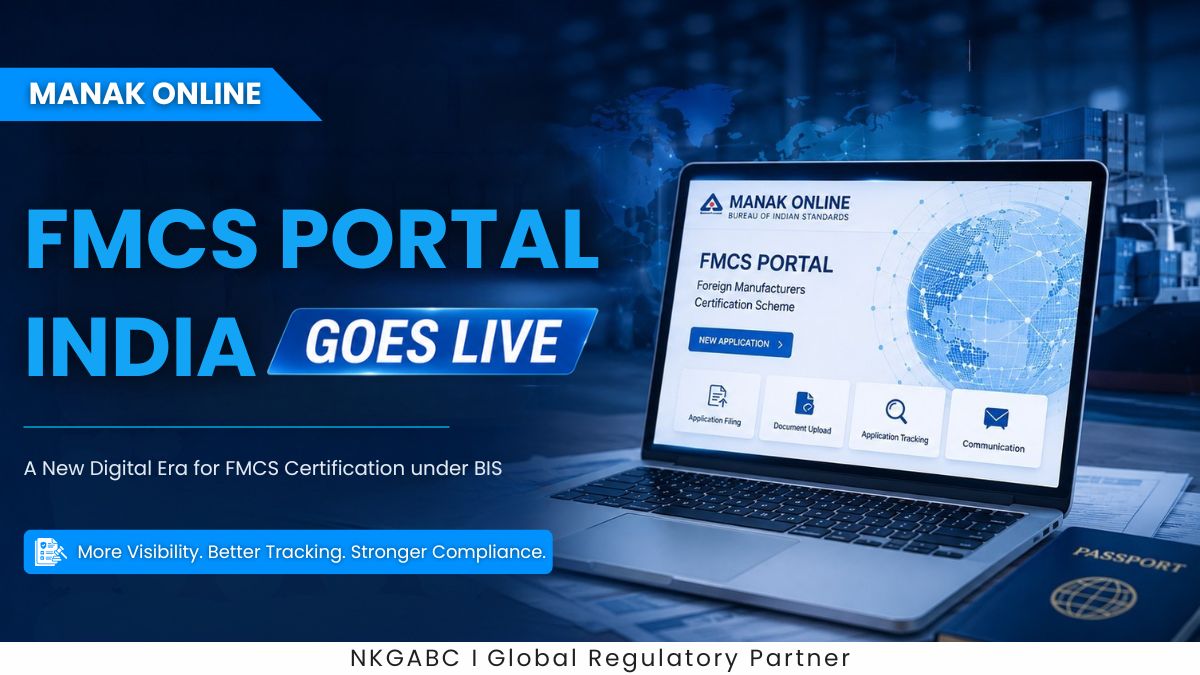
The MANAK online FMCS portal India system, currently visible in trial mode, signals a move toward more centralized and digitally managed application handling for foreign manufacturers seeking BIS certification in India.
For many companies, FMCS has traditionally been a process heavily dependent on physical documentation, manual coordination, offline communication, and repeated follow-ups across different stages of certification handling.
The portal structure appears aimed at changing that operational experience.
What the New Portal Introduces
The evolving portal framework may support:
- Online application filing
- Centralized document submission
- Digital communication handling
- Application tracking visibility
- Reduced dependency on physical coordination
For businesses navigating the FMCS portal BIS application process, this could improve visibility during different stages of application handling.
Instead of relying entirely on manual coordination, manufacturers may gradually gain a more trackable and system-driven workflow under the MANAK environment.
How FMCS Handling May Change
One of the more important shifts is not necessarily speed.
It is visibility.
Earlier FMCS workflows often involved fragmented submission cycles, offline clarifications, and limited transparency around application movement.
With the introduction of a BIS online portal for foreign manufacturers, parts of the certification workflow may become more centralized and digitally traceable.
That may change where delays emerge during the process.
Traditionally, delays were often associated with:
- Coordination gaps
- Document movement
- Communication cycles
- Manual follow-ups
Under a portal-driven structure, delays may increasingly depend on:
- Incomplete documentation
- Mismatched technical details
- Incorrect application data
- Inconsistencies in submitted records
For manufacturers handling multiple approvals, that operational shift becomes significant.
Why Tracking Visibility Matters
The introduction of improved FMCS application tracking India capabilities may help manufacturers monitor application stages with greater clarity.
For foreign manufacturers entering India, visibility around pending actions, submission movement, and procedural stages can improve internal compliance planning and coordination.
This may become especially relevant for businesses managing:
- Multiple product certifications
- Cross-border documentation teams
- Importer coordination in India
- Centralized compliance operations
A more visible process environment may also encourage earlier preparation before filing begins.
What Still Remains Important
The portal changes the handling process, not the underlying FMCS obligations.
Foreign manufacturers will still need:
- Applicable product testing
- Technical documentation
- Audit preparedness
- Compliance with relevant Indian Standards
- Proper conformity assessment handling
Businesses exploring foreign manufacturer BIS online filing should therefore view the portal as a procedural transition rather than a simplified approval route.
Documentation accuracy and submission readiness are likely to remain central to certification outcomes.
What Companies Should Watch Next
As the portal continues evolving, manufacturers should monitor:
- BIS procedural announcements
- FMCS implementation developments
- MANAK Online updates
- Sector-specific compliance notifications
- Changes linked to applicable Indian Standards or QCOs
It is also important to distinguish between:
- Procedural digitization and
- Product compliance applicability
A portal update does not automatically create new certification obligations unless connected through official BIS notifications or regulatory orders.
Quick Takeaway
The MANAK online FMCS portal India reflects a gradual shift toward more digitally coordinated FMCS processing under BIS.
While the transition may improve filing visibility and streamline parts of the workflow, the core certification requirements remain unchanged. For foreign manufacturers, the larger impact may come from how accurately applications, technical documents, and compliance records are prepared within a more structured digital environment.
Companies requiring support with BIS FMCS applications, audit preparedness, or certification coordination may connect at www.nkgabc.com or write to navraj@nkgabc.com.