Introduction
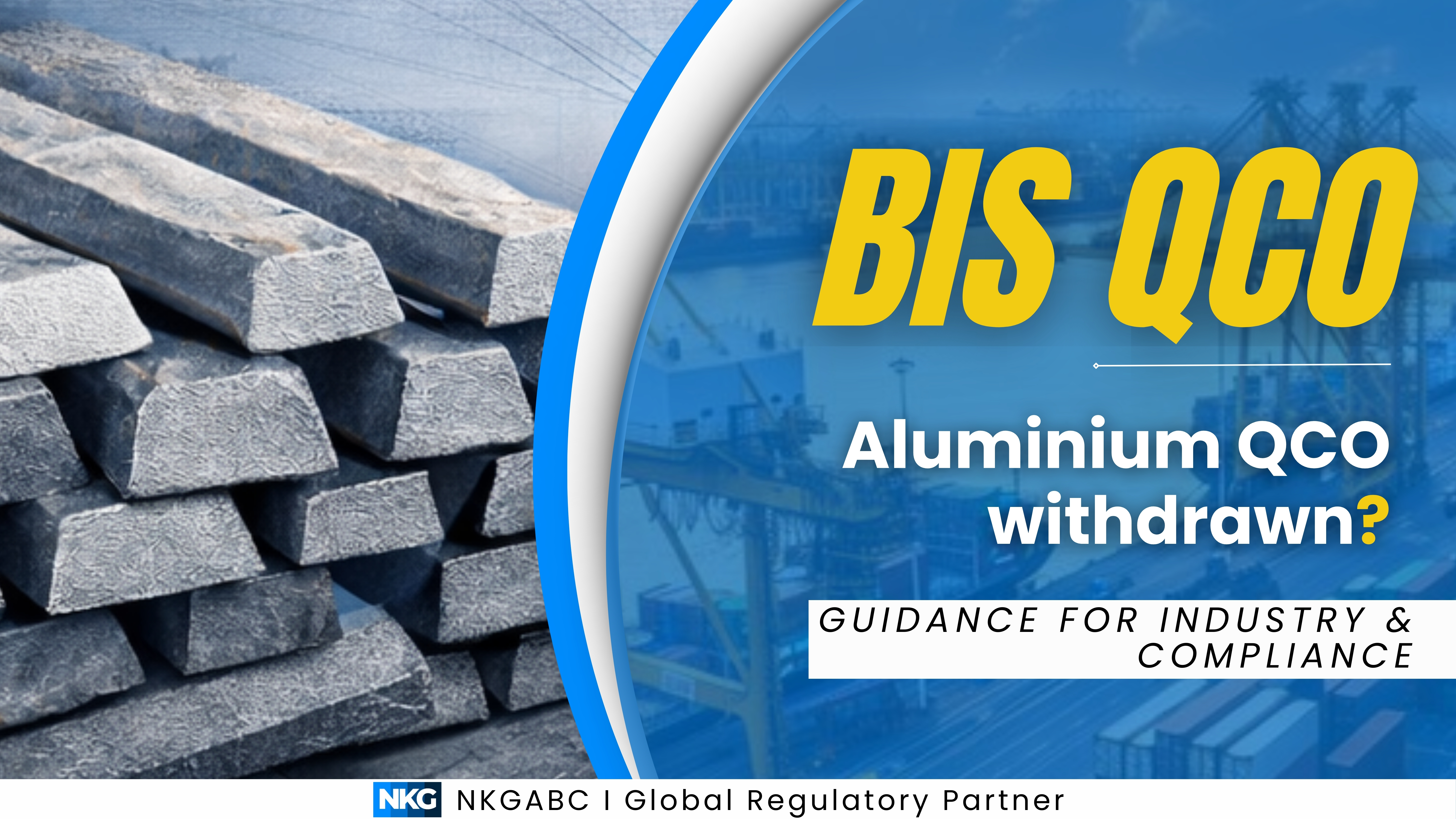
BIS QCO aluminium products continue to require careful interpretation following recent regulatory changes under India’s Quality Control Order framework. For aluminium and aluminium alloy materials used across engineering, electrical, and industrial applications, the applicable QCO has been withdrawn, and the notification through which it was issued has been rescinded.
This change has altered procedural obligations, but it has not removed the need for regulatory awareness. Aluminium remains a strategically significant input material, and transitions affecting such products must be read with precision to avoid misalignment in sourcing, contracts, or future compliance planning.
Why Aluminium Is Structurally Sensitive in India’s Industrial Ecosystem
Aluminium and aluminium alloys are foundational to multiple sectors that underpin India’s industrial and infrastructure growth. Unlike finished consumer products, these materials directly influence safety, conductivity, strength, and long-term performance in downstream applications.
They are extensively used in:
- Electrical conductors and power transmission systems
- Automotive and mobility components
- Engineering goods and industrial machinery
- Renewable energy infrastructure
- Construction and industrial fabrication
Because aluminium functions as a critical input across regulated and safety-sensitive industries, it periodically comes under quality control review. This context is essential when assessing BIS QCO aluminium products and understanding why regulatory reassessment occurs.
What Changed Under the Quality Control Order Framework
Selected aluminium and aluminium alloy materials were earlier notified under the Quality Control Order framework, making conformity to specified Indian Standards mandatory. Subsequently, the government withdrew the QCO and rescinded the notification through which it was issued.
This action reflects regulatory reassessment rather than withdrawal of oversight. It indicates that while the mandatory certification mechanism has been paused, the broader quality and regulatory framework governing aluminium materials continues to apply.
How the Legal Status Should Be Read
For the aluminium and aluminium alloy products covered under this category, the legally correct wording is:
“The Quality Control Order has been withdrawn, and for the said purpose, the notification through which it was issued has been rescinded.”
This has specific implications:
- Mandatory BIS certification under the withdrawn QCO is no longer in force
- The withdrawal does not preclude future re-notification
- Other applicable laws, standards, and contractual obligations remain unaffected
For businesses tracking aluminium QCO India, reading this distinction accurately is critical to avoid incorrect operational assumptions.
Products Covered Under the Withdrawn QCO – Applicable Indian Standards
The Aluminium and Aluminium Alloys Quality Control Order covered the following products, defined through their respective Indian Standards. For all products listed below, the Quality Control Order has been withdrawn, and the issuing notification has been rescinded.
- IS 617:1994 – Cast aluminium and its alloys – Ingots and castings for general engineering purposes
- IS 11890:1987 – High purity primary aluminium ingot for remelting for special applications
- IS 6754:1972 – Aluminium alloy ingots for remelting for general engineering purposes
- IS 2590:1987 – Primary aluminium ingots for remelting for general engineering purposes
- IS 4026:2023 – Aluminium ingots, billets and wire bars (EC Grade)
Official Regulatory Reference
The withdrawal covering all the above aluminium and aluminium alloy products has been notified through the following official government order:
Reading the Status Beyond the Notification
Withdrawal of a QCO with rescission removes the immediate obligation to hold a BIS licence under that specific order. However, it does not place aluminium materials outside quality expectations or commercial scrutiny.
In practical terms:
- BIS licensing is no longer mandatory under the withdrawn QCO
- Buyers and OEMs may continue to reference Indian Standards
- Quality documentation remains relevant for audits and contracts
For organisations dealing with BIS certification of aluminium materials, voluntary alignment often continues because quality expectations are driven as much by procurement norms as by regulation.
Is BIS Still in the Picture?
Yes, though its role shifts during this phase.
Even without an active QCO, aluminium materials may still be linked to:
- Voluntary Indian Standards adopted by buyers
- Public procurement specifications
- Sector-specific regulations where material quality is implicit
- Export or OEM contracts referencing Indian Standards
For manufacturers maintaining aluminium ingots BIS compliance, retaining internal conformity systems supports continuity across regulated supply chains.
What This Means at the Port and in Contracts
From an import and sourcing standpoint, the withdrawal changes procedural checks but not accountability.
Importers may observe:
- Removal of compulsory BIS licence checks at customs
- Greater reliance on supplier test reports and declarations
- Increased responsibility toward customers and downstream users
The QCO impact on aluminium imports is therefore operational rather than eliminative, shifting focus from licensing to documentation and quality assurance.
Practical Industry Posture During This Regulatory Phase
During regulatory reassessment, a measured and disciplined approach is advisable. Industry participants should consider:
- Retaining historical test reports and technical documentation
- Reviewing contracts that reference BIS or Indian Standards
- Avoiding dismantling internal quality systems built for earlier QCOs
- Monitoring future notifications related to metals and materials
This posture ensures readiness if BIS QCO aluminium products are reintroduced under revised quality control mechanisms.
Closing Insight from NKG Advisory
At NKG Advisory, we view the current status of BIS QCO aluminium products as a transition that requires clarity, not complacency. Aluminium remains a strategically important industrial input, and quality expectations continue to flow through contracts, procurement frameworks, and downstream regulations.
We help companies interpret such updates clearly and practically, from understanding Gazette notifications to maintaining voluntary BIS certifications. Our approach ensures your quality systems stay audit-ready and adaptable, even as policies evolve.
In compliance, staying informed is the first step to staying prepared. For BIS registration or factory audit support, reach us at www.nkgabc.com or email navraj@nkgabc.com.
To stay updated with more insights on compliance, certifications, and industry trends, explore our blog page or connect with us on LinkedIn for regular updates.