Jurisdictional Conflict Between Legal Metrology and DCGI
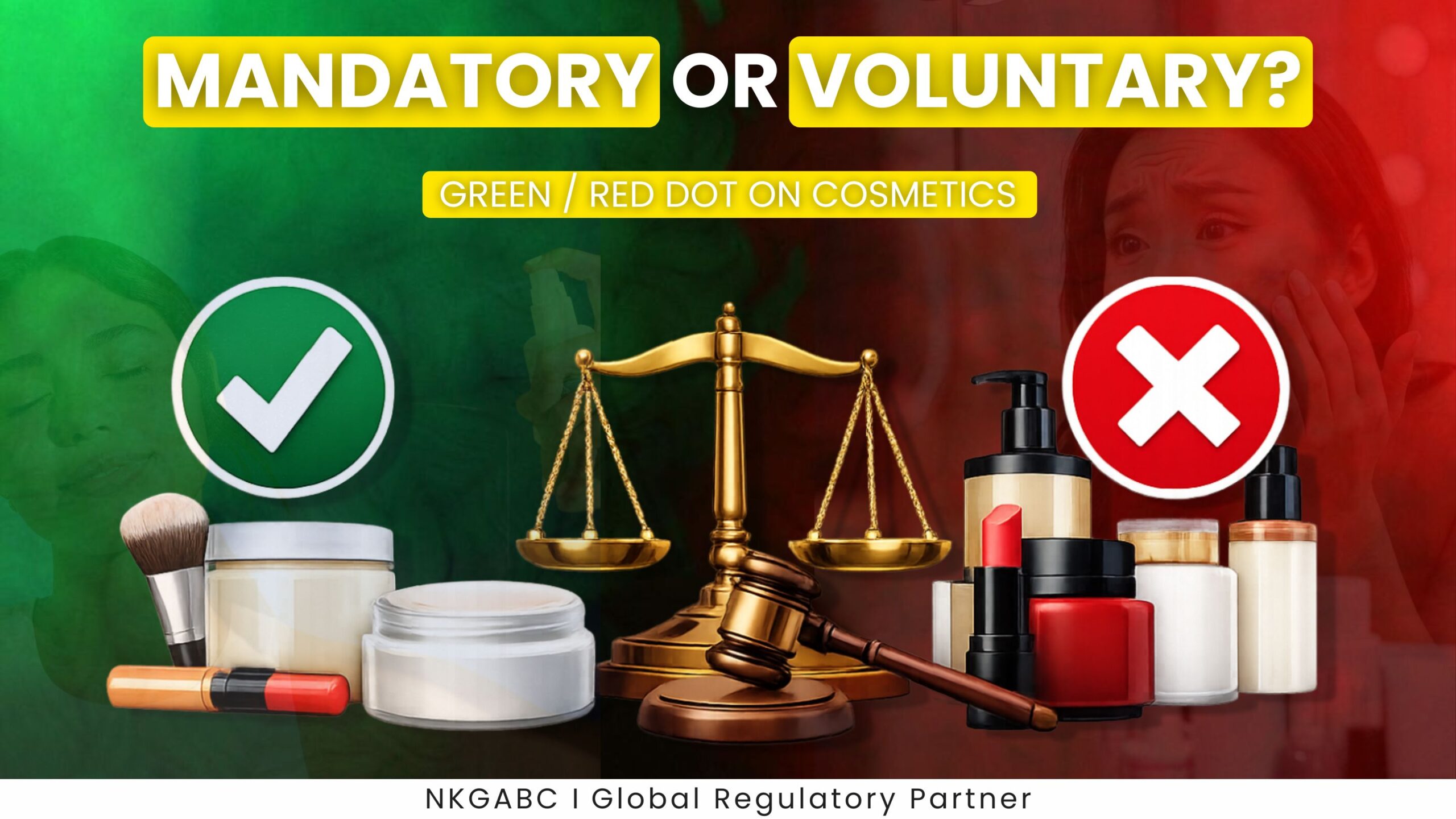
Regulatory interpretation becomes complex when two statutory regimes address the same labeling requirement differently. The ongoing proceedings before the Delhi High Court have revived industry focus on the vegetarian non vegetarian logo on cosmetics India and whether such marking is legally mandatory or advisory in nature. The issue is not merely about packaging symbols; it concerns jurisdiction, statutory authority, and regulatory consistency.
Statutory Position Under Legal Metrology
The dispute originates from the amendment dated 16 June 2014 to Rule 6(8) of the Legal Metrology (Packaged Commodities) Rules, 2011. This amendment mandates that packages containing soaps, shampoos, toothpaste, and other cosmetics and toiletries must display:
• A green dot for vegetarian origin
• A red or brown dot for non-vegetarian origin
The notification was issued by the Director, Legal Metrology. Under a plain reading, legal metrology rule 6(8) cosmetics are covered within the scope of mandatory declaration. From this standpoint, the vegetarian non vegetarian logo on cosmetics India appears as a compulsory requirement under the packaged commodities regime.
However, cosmetics are simultaneously regulated under another statutory framework.
Parallel Framework Under Drugs and Cosmetics Law
Cosmetics are governed under the Drugs and Cosmetics Act, 1940, and the Cosmetics Rules, 2020. Oversight rests with the Drug Controller General of India, advised by the Drug Technical Advisory Board.
In meetings dated 16 May 2018 and 13 April 2021, DTAB deliberated on incorporating vegetarian and non-vegetarian marking within cosmetic labeling requirements India under Rule 148 of the 1945 Rules and Rule 34 of the Cosmetics Rules, 2020.
The Board concluded:
• There is no clear national certification system to classify cosmetic ingredients as vegetarian or non-vegetarian
• Mandatory marking may create a regulatory burden
• The marking may remain voluntary
• Advisory guidance would be preferable
This position introduced a direct divergence between the Legal Metrology mandate and the Drugs and Cosmetics advisory approach. Consequently, the vegetarian non vegetarian logo on cosmetics India became a subject of jurisdictional ambiguity.
Judicial Challenge Before the Delhi High Court
The matter is pending before the Delhi High Court in W.P.(C) 1989/2015 filed by Reckitt Benckiser (India) Limited. The petitioner challenges the amendment to Rule 6(8) on jurisdictional grounds.
In its order dated 7 February 2026, the Court recorded:
• A prima facie contradiction between mandatory prescription under Legal Metrology and voluntary recommendation under DTAB
• Jurisdictional concerns regarding whether the Director, Legal Metrology can impose such marking on products regulated as cosmetics
• The need for coordinated departmental resolution
The Court directed:
• A joint meeting between the Director, Legal Metrology, and DCGI
• Stakeholder consultation
• Filing of a joint affidavit
• Completion within two months
The Court also continued interim protection against coercive action for the petitioner. This protection, however, applies only to the petitioner and does not automatically extend to the entire industry.
The Delhi High Court vegetarian logo case, therefore, remains under active adjudication. Until final resolution, the regulatory status of the vegetarian non vegetarian logo on cosmetics India remains unsettled at the inter-departmental level.
Core Legal Question
The central issue is whether the Director, Legal Metrology possesses statutory authority under Rule 6(8) to mandate the vegetarian non vegetarian logo on cosmetics India when the subject matter falls within the regulatory domain of DCGI.
This raises broader administrative law considerations:
• Overlapping statutory jurisdiction
• Scope of delegated legislative authority
• Regulatory coherence between departments
The Court has recognised the contradiction and required coordinated consultation rather than unilateral enforcement.
Current Compliance Landscape
From a compliance perspective, the situation reflects regulatory tension rather than definitive clarity.
At present:
• Rule 6(8) remains part of the Legal Metrology Rules
• DTAB has recommended voluntary adoption
• Interim relief applies only to the petitioner
• Joint consultation and affidavit are pending
Manufacturers assessing the vegetarian non vegetarian logo on cosmetics India must therefore evaluate their exposure carefully. Assumptions based solely on DTAB’s advisory position may not fully address the continued existence of Rule 6(8).
The issue becomes particularly relevant for products that clearly qualify as cosmetics under statutory definitions but are simultaneously packaged commodities. The determination of whether the vegetarian non vegetarian logo on cosmetics India is mandatory or voluntary may ultimately depend on harmonised interpretation between authorities.
Industry Risk Considerations
Companies should consider:
• Product classification under the Cosmetics Rules, 2020
• Packaging already in circulation
• Enforcement trends in different jurisdictions
• Documentation supporting ingredient origin assessment
Given that the vegetarian non vegetarian logo on cosmetics India has not been conclusively resolved through judicial determination, conservative compliance strategies may be adopted until the joint affidavit clarifies the position.
Interaction With Broader Labeling Requirements
This dispute also intersects with broader cosmetic labeling requirements India, including declarations mandated under the Cosmetics Rules, 2020. Harmonisation between Legal Metrology and Drugs and Cosmetics frameworks will determine whether a unified approach to the vegetarian non vegetarian logo on cosmetics India emerges.
The involvement of DCGI in stakeholder consultation suggests that future policy may reflect coordinated regulation rather than parallel mandates.
Possible Outcomes
Following the joint consultation directed by the Court, potential outcomes include:
• Harmonised mandatory requirement under clarified authority
• Adoption of voluntary advisory model
• Judicial clarification limiting Legal Metrology’s scope
• Legislative amendment resolving overlap
Until final determination, the DCGI vegetarian non vegetarian labeling issue remains open.
Conclusion
The dispute concerning the vegetarian non vegetarian logo on cosmetics India illustrates the regulatory complexity that arises when multiple statutory frameworks intersect. While Rule 6(8) prescribes mandatory marking under Legal Metrology, DTAB’s advisory position under the Drugs and Cosmetics framework suggests voluntary adoption.
The Delhi High Court has acknowledged this contradiction and directed coordinated resolution. Until a harmonised policy or judicial finality emerges, manufacturers should approach compliance decisions relating to the vegetarian non vegetarian logo on cosmetics India with documented legal analysis and structured risk assessment rather than informal interpretation.
In compliance, staying informed is the first step to staying prepared. For support on Legal Metrology compliance, e-commerce regulatory advisory, or import-related obligations, reach us at www.nkgabc.com or email navraj@nkgabc.com.
To stay updated with more insights on compliance, certifications, and industry trends, explore our blog page or connect with us on LinkedIn for regular updates.